
How Long Do Garage Doors Last?
A well-built garage door plays a major role in home security, energy efficiency, and curb appeal. However, no system lasts forever. Knowing when garage door replacement becomes the smarter option can save homeowners time, money, and frustration. Understanding lifespan expectations and warning signs helps you make informed decisions before a complete failure occurs.
Average Lifespan of Garage Door Components
Garage doors are made up of several components, each with their own life expectancy. While the door itself can last 15 to 30 years, its longevity depends heavily on usage, material quality, and climate exposure. Steel and aluminum doors tend to last longer than wood, which requires regular maintenance to prevent rotting and warping.
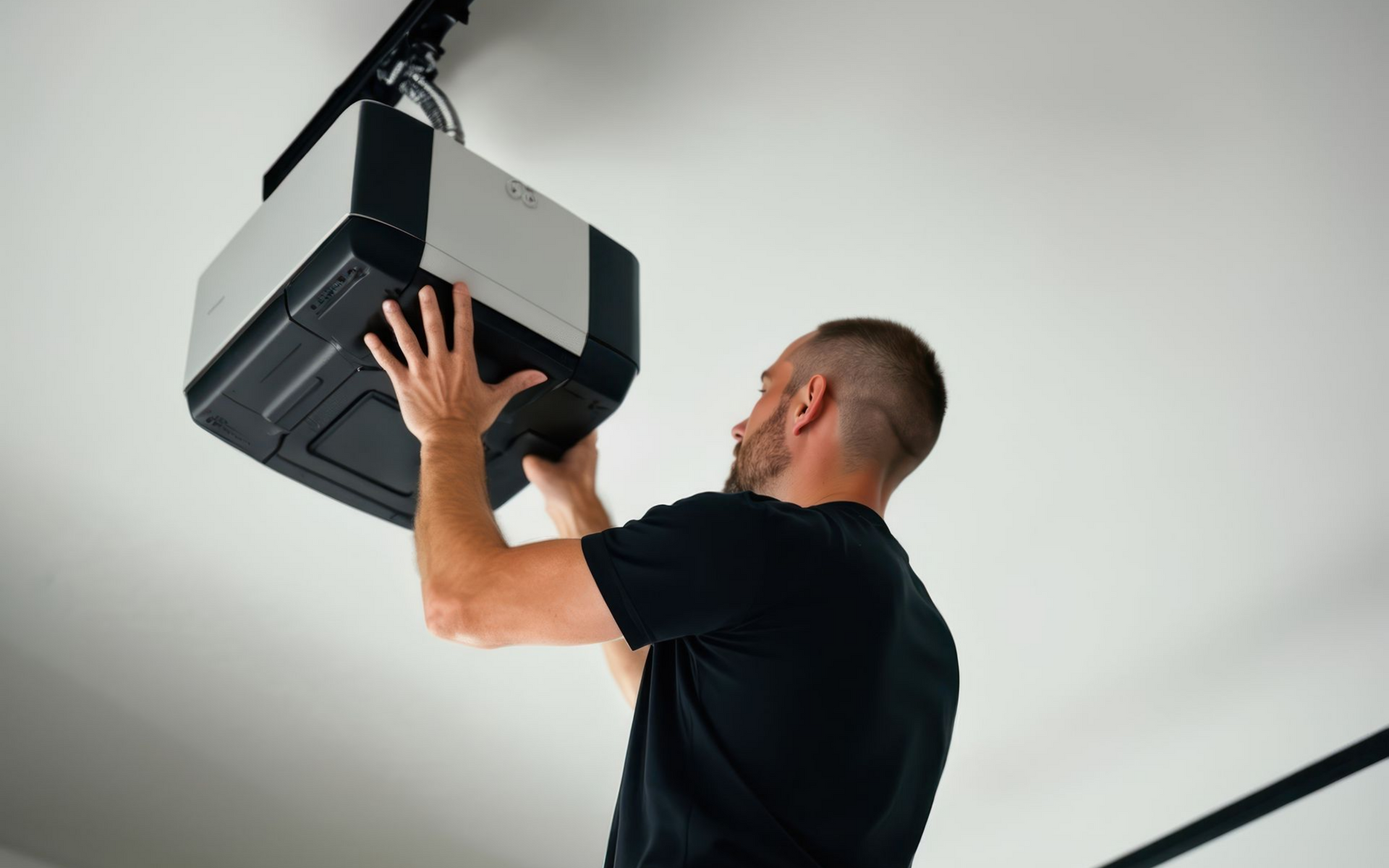
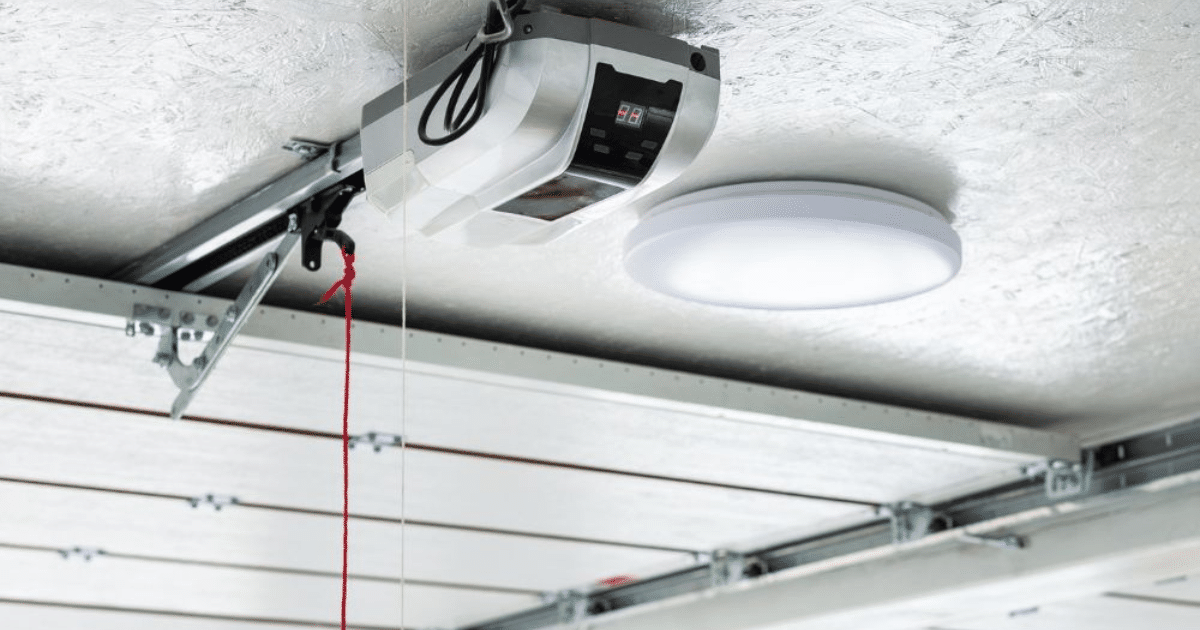
Garage door openers typically last 10 to 15 years, depending on frequency of use and maintenance. Springs, which handle the door’s weight, usually need replacement every 7,000-10,000 cycles. When these parts begin to fail repeatedly, a full garage door replacement may be more cost-effective than continuing repairs.
Warning Signs Your Garage Door is Near the end
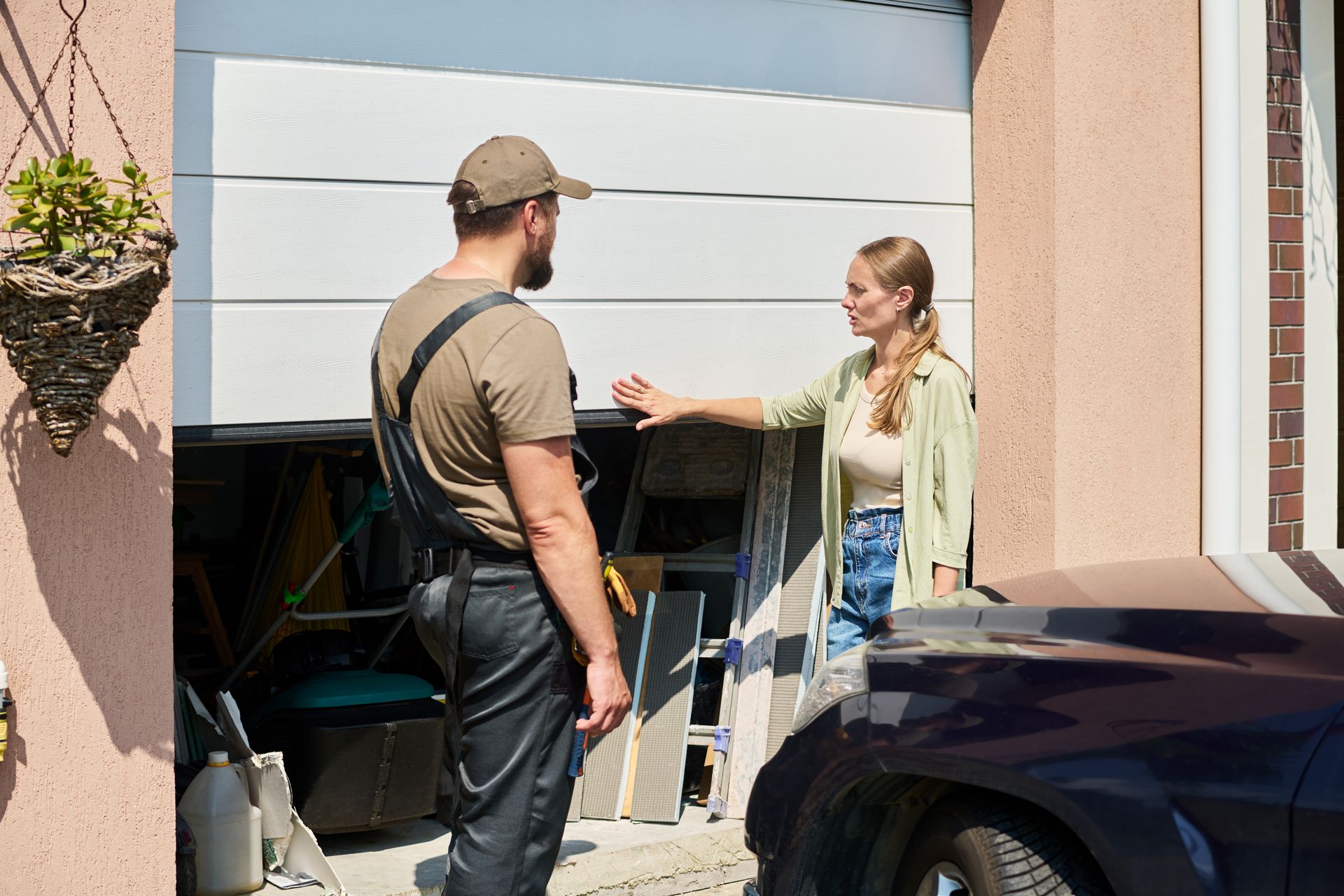
One of the earliest indicators that replacement may be necessary is unusual noise. Grinding, popping, or squealing sounds often signal worn rollers, loose hardware, or failing springs. While occasional noise can be resolved with a professional garage door service, recurring sounds suggest deeper issues.
Frequent breakdowns are another red flag. If your door requires multiple repairs each year, the costs can quickly add up. In these cases, investing in a new system provides long-term reliability and peace of mind.
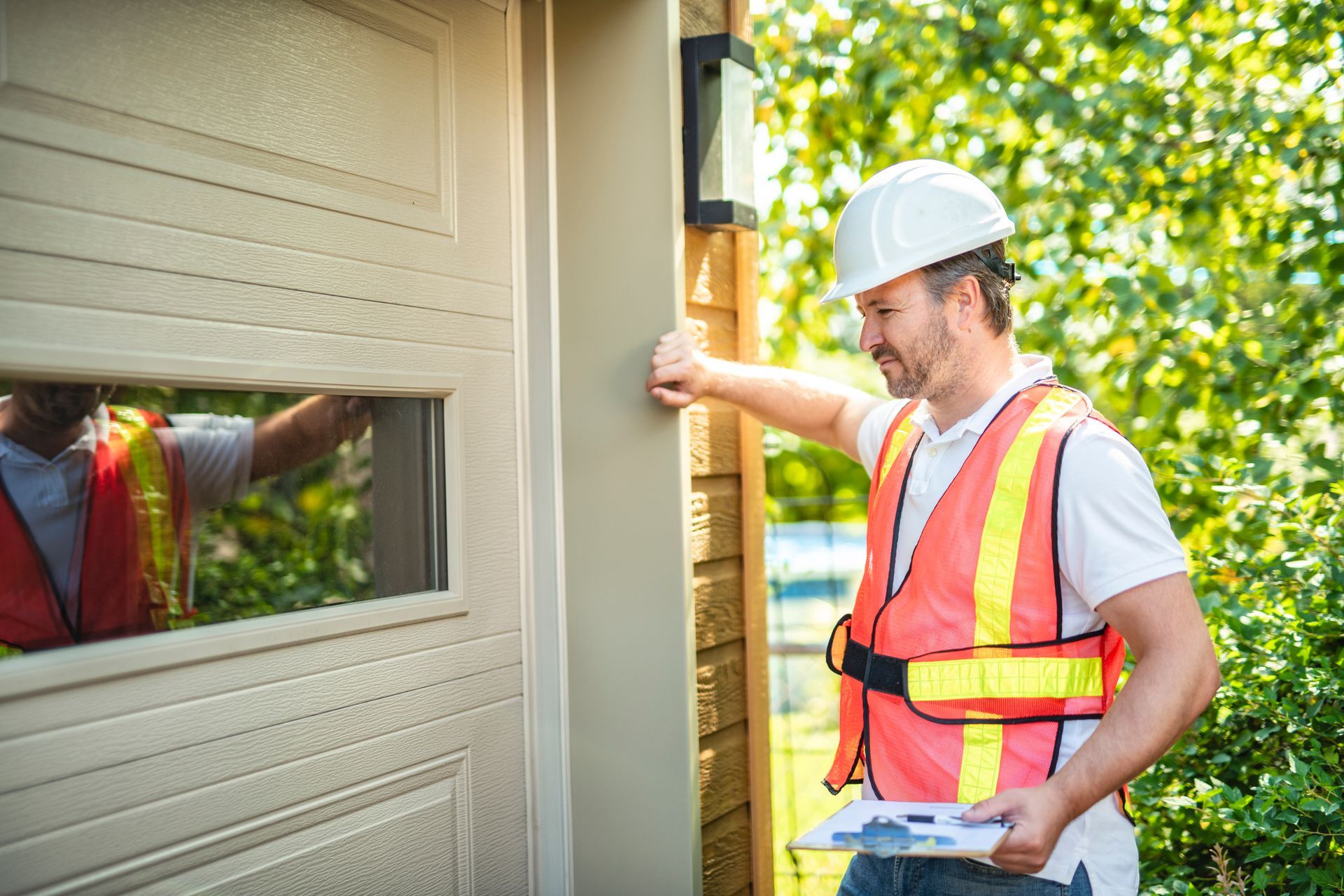
Visible damage is also a strong indicator. Rust, cracks, sagging panels, or warped sections compromise both safety and appearance. These structural issues often mean garage door replacement is the safer solution.
Slow Operation and Performance Issues
A door that opens or closes slowly, even after servicing, may be experiencing motor strain or structural imbalance. Older systems often lack modern efficiency features, causing excessive wear on openers and springs.
If your garage feels noticeably hotter or colder than before, increased energy bills may be the cause. Poor insulation or gaps in aging doors allow air loss, forcing HVAC systems to work harder. A modern insulated door improves energy efficiency while reducing monthly costs.
Repair vs. Replacement: What Makes Financial Sense?
A common rule of thumb is the 50% rule: if repairs cost more than half the price of a new door, replacement is the smarter investment. Continually paying for repairs on an outdated system rarely makes sense long term.
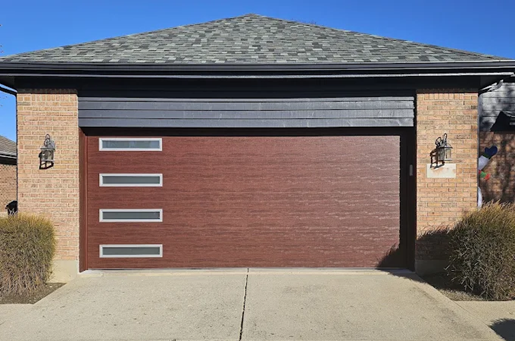
Modern doors offer better insulation, improved security features, and quieter operation. When comparing ongoing repair expenses to the benefits of garage door replacement, homeowners often find replacement provides greater value.
If you’re unsure which option is best, reviewing
real project examples can help.
When Maintenance Is No Longer Enough
Routine maintenance and occasional garage door service can extend a system’s life, but there comes a point when maintenance no longer solves performance issues. If multiple components are failing simultaneously, replacement becomes the safest and most economical choice.
Homeowners with
questions about system components, warranties, or maintenance schedules we are here to help.
Plan Before It Fails
Waiting for a garage door to completely fail can lead to safety risks, inconvenience, and emergency costs. Proactively planning for garage door replacement allows you to choose the right style, insulation level, and features without pressure.
For professional guidance, inspections, and transparent pricing, trust Kettering Overhead Door. Whether you need expert garage door service or are ready for an upgrade, their team provides dependable solutions.
Contact us today to schedule your consultation today.
How to Choose the Right Garage Door Style and Material for Your Residential Garage Door Installation