
What to Know About Garage Door Motor Work in Beavercreek, OH
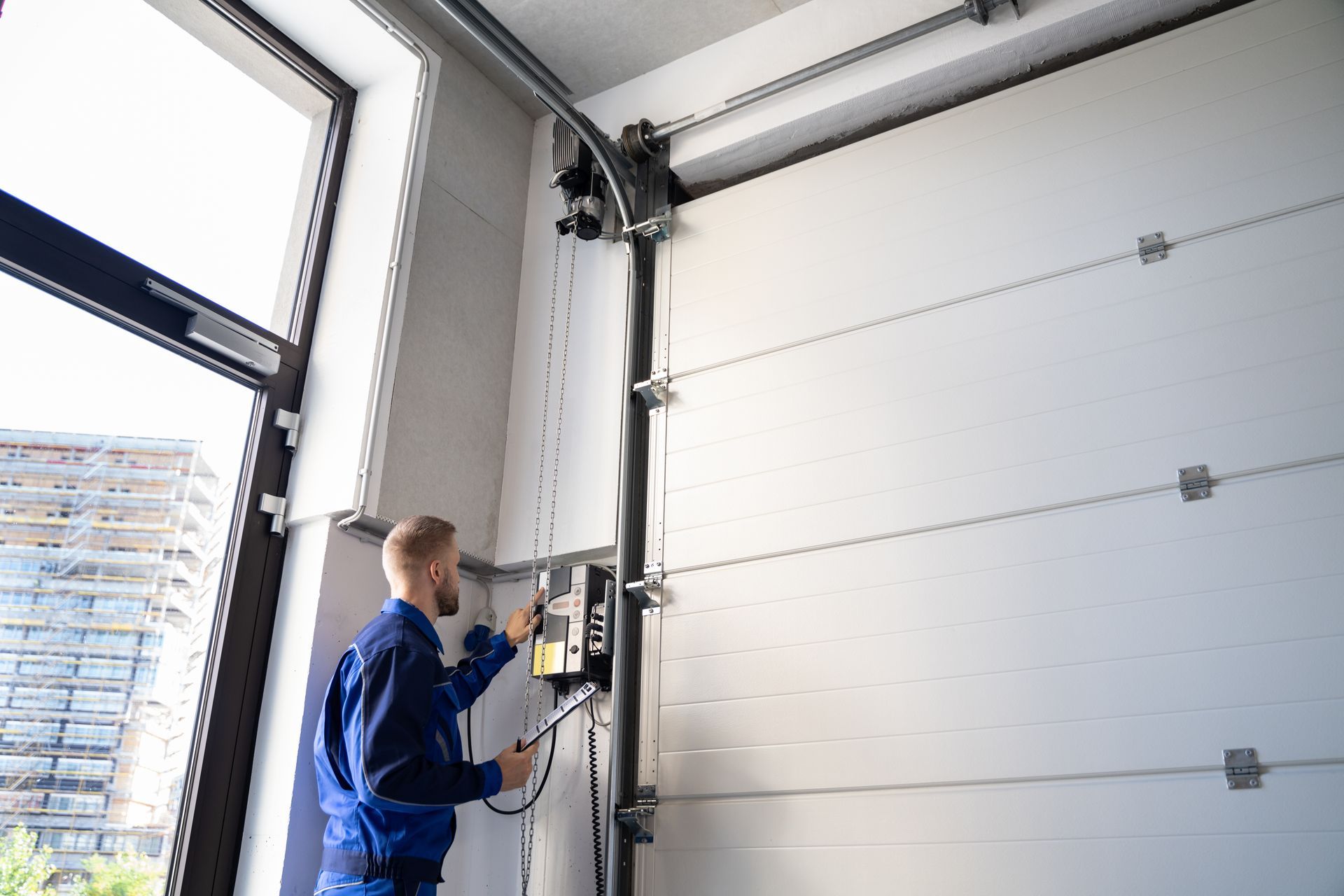
If your garage door motor starts running but the door does not move, it can be both confusing and inconvenient for homeowners. This situation often occurs without warning, leaving many people unsure whether the problem is with the motor itself or another part of the system. In many cases, individuals searching for garage door motor work encounter this issue and assume the motor has failed, when the actual cause may be a disconnected or damaged component within the door mechanism. To properly diagnose the problem, it is important to understand how a garage door motor system functions. The motor provides the power that drives a chain, belt, or screw mechanism, which then moves a trolley connected to the garage door. When all components are working correctly, this process allows the door to open and close smoothly. However, if any part of this system becomes disconnected, worn out, or misaligned, the motor may continue running while the door remains stationary.
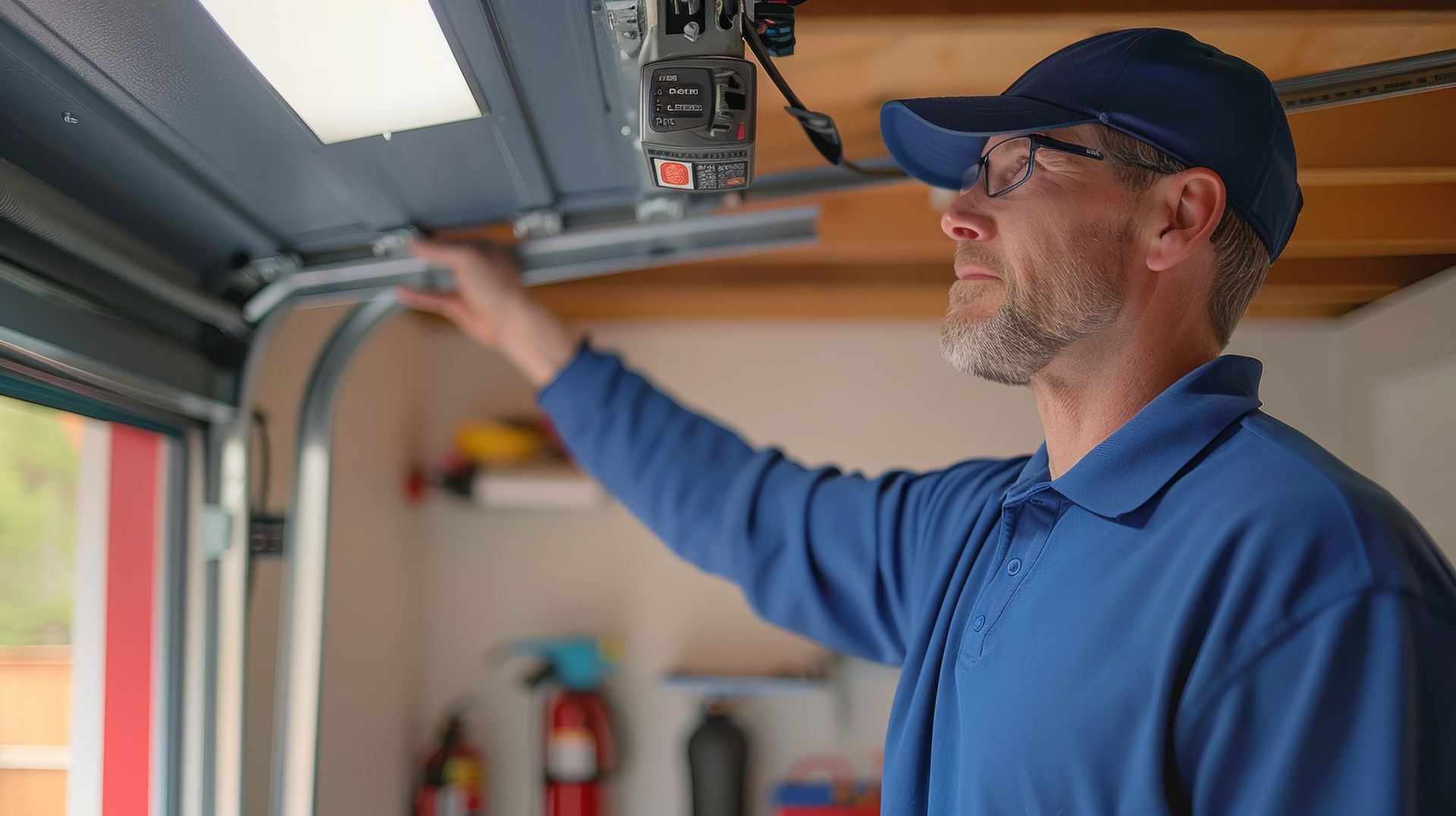
Top Causes of a Garage Door Motor Running Without Moving the Door
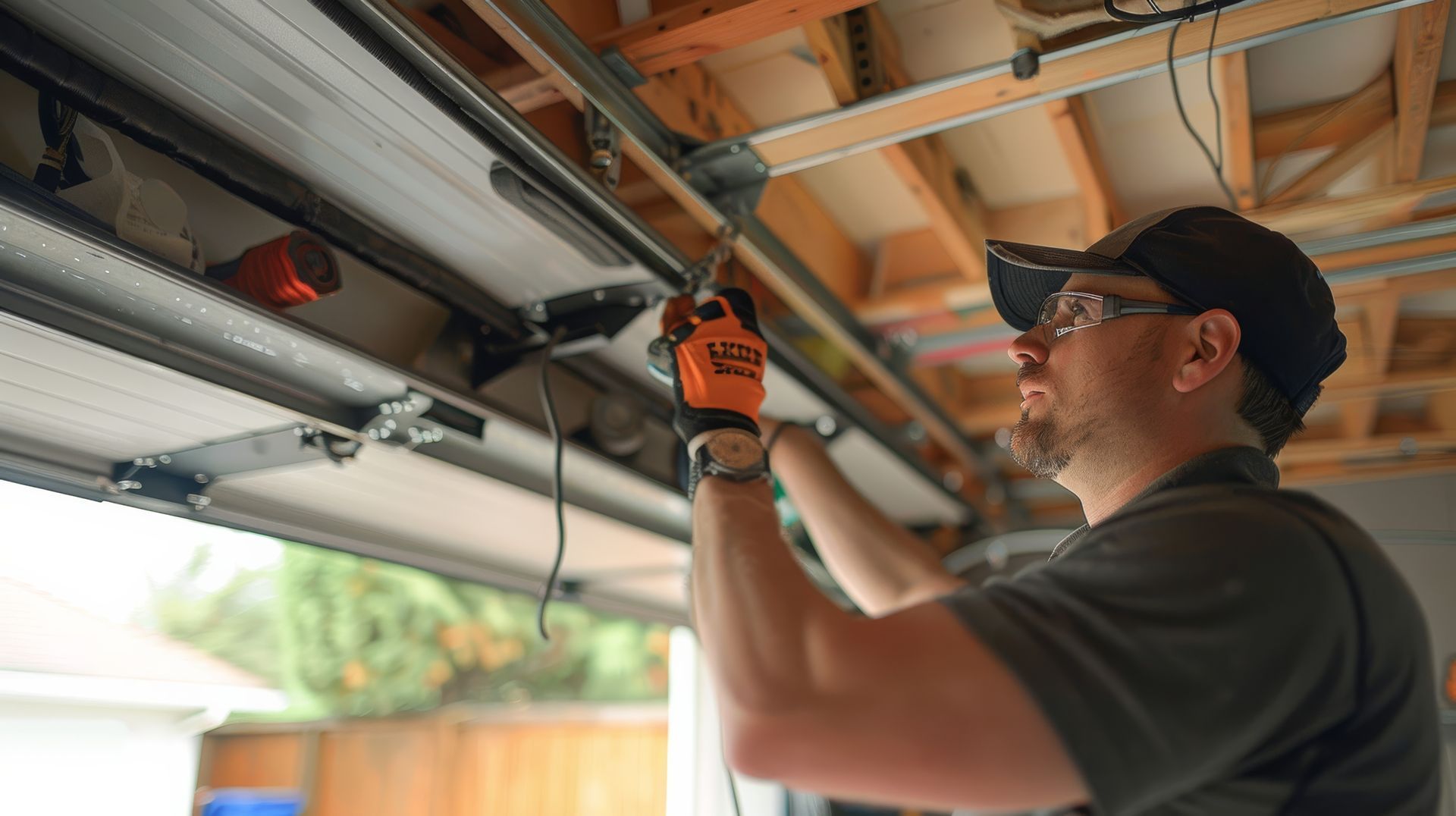
When a garage door motor runs but the door does not move, the issue is often caused by a problem within the mechanical components that connect the motor to the door itself. A garage door system relies on several parts working together, including the opener, drive mechanism, springs, cables, and trolley assembly. If any of these components become damaged, disconnected, or worn out, the motor may continue to operate while the door remains stationary. Understanding these common causes can help homeowners identify the issue early and determine whether professional garage door motor work may be required to restore proper functionality.
Common causes include:
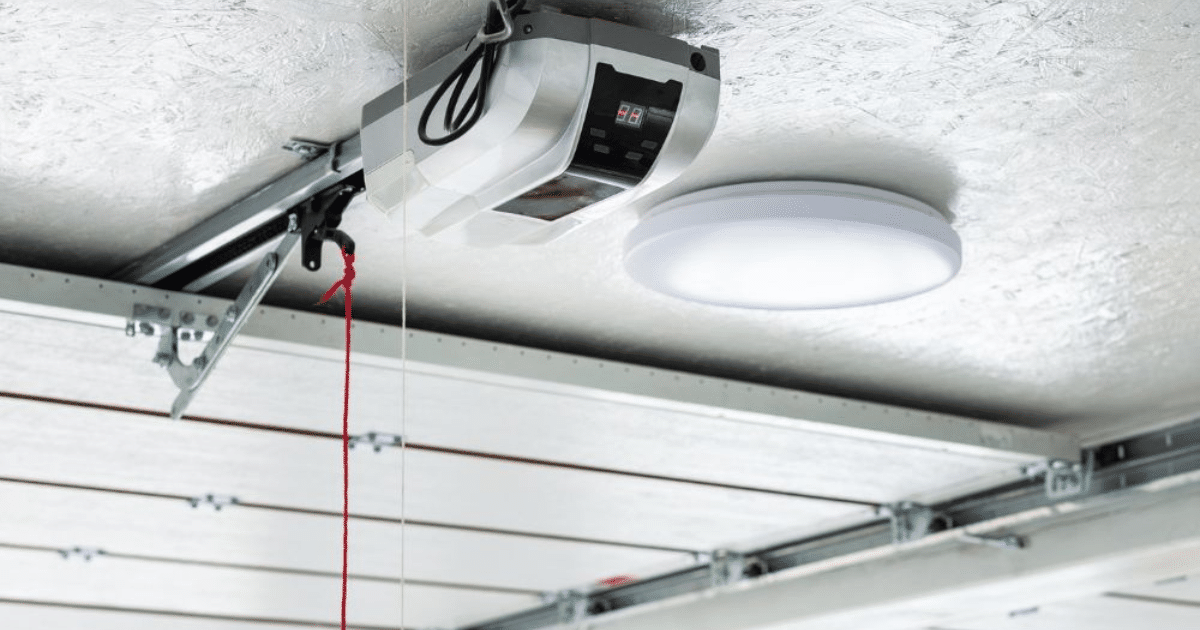
- Disconnect switch accidentally triggered: Most garage doors have an emergency release cord designed to disconnect the opener from the door during power outages or emergencies. If this cord is pulled accidentally, the motor will continue running, but the door will not move because it is no longer attached to the opener system. Reconnecting the trolley to the opener rail can often solve this issue quickly.
- Broken trolley carriage: The trolley carriage travels along the rail of the opener and connects the motor drive system to the garage door arm. If this component becomes cracked, worn, or detached, the motor will still run but will not be able to transfer movement to the door. This type of damage may occur over time due to frequent use or lack of maintenance.
- Stripped drive belt or chain: Garage door openers typically use either a belt drive or chain drive to move the trolley. With regular operation, these components can stretch, loosen, or become stripped. When this happens, the motor may spin normally, but the belt or chain will slip, preventing the door from opening or closing properly.
- Broken springs or cables: Springs and cables are essential for supporting the weight of the garage door and allowing it to move smoothly. If a spring snaps or a cable breaks, the door may become too heavy for the opener to lift. In this situation, the motor may run but struggle to move the door or stop entirely. Because these parts are under high tension, repairs should be handled carefully and typically require professional service.
- Faulty limit settings: Garage door openers are designed with limit settings that control how far the door travels when opening or closing. If these settings are misadjusted, the motor may stop prematurely or fail to engage the door correctly. Incorrect limits can make it appear as though the motor is functioning while the door remains stuck in place.
Step-by-Step Troubleshooting Guide for a Garage Door That Won’t Move
If your garage door motor is running but the door is not moving, performing a basic inspection can help identify the source of the problem. While some issues require professional repairs, a few simple checks can help determine whether the problem is minor or if expert garage door motor work may be necessary. The following troubleshooting steps provide a practical way to evaluate the most common issues homeowners encounter.
Basic troubleshooting steps include:
- Check the emergency release cord: Look for the red release handle hanging from the opener rail. If it has been pulled, the door may be disconnected from the opener. Reattach the trolley to the opener track and test the system again.
- Inspect the trolley and rail: Observe the trolley while activating the opener. If the motor runs but the trolley does not move along the rail, the drive mechanism or trolley assembly may be damaged.
- Examine the chain or belt drive: Visually check the opener drive system for loose chains, worn belts, or obvious signs of damage. A slipping or broken drive component can prevent the door from moving even when the motor is running.
- Look at the springs and cables: Check the springs above the door and the cables along the sides for signs of damage or looseness. If a spring appears broken or a cable is hanging, stop using the opener immediately.
- Test the door manually: Pull the emergency release and try lifting the door by hand. If the door feels extremely heavy or difficult to move, it could indicate a spring issue or mechanical obstruction.
Important Safety Warnings When Handling Garage Door Springs and Cables
Garage door springs and cables play a critical role in lifting and balancing the door, but they are also some of the most dangerous components within the system. These parts are designed to support the heavy weight of the door and operate under extremely high tension. If they break or are handled improperly, they can release stored energy suddenly and cause serious injuries. Because of these risks, repairs involving these components often require specialized tools and knowledge, which is why many situations require professional garage door motor work rather than attempting a do-it-yourself fix.
Key safety precautions to keep in mind include:
- Avoid touching broken springs: Torsion and extension springs are tightly wound and can snap with significant force if handled incorrectly.
- Do not attempt cable repairs: Garage door cables are responsible for stabilizing the door’s movement, and a damaged cable can cause the door to fall unexpectedly.
- Never operate the opener with a broken spring: The motor is not designed to lift the full weight of the door, and doing so can damage the opener or create a safety hazard.
- Keep a safe distance from damaged components: If you notice loose cables, bent tracks, or broken springs, avoid standing directly beneath the door.
- Seek professional assistance: Trained technicians have the proper tools and experience to safely adjust or replace these high-tension components.
If your garage door motor is running but the door won’t move, it may indicate a deeper issue within the system that requires attention. Addressing the problem early can help prevent further damage and keep your garage door operating safely and efficiently. Contact us today to schedule professional garage door motor work and restore reliable performance to your garage door system.
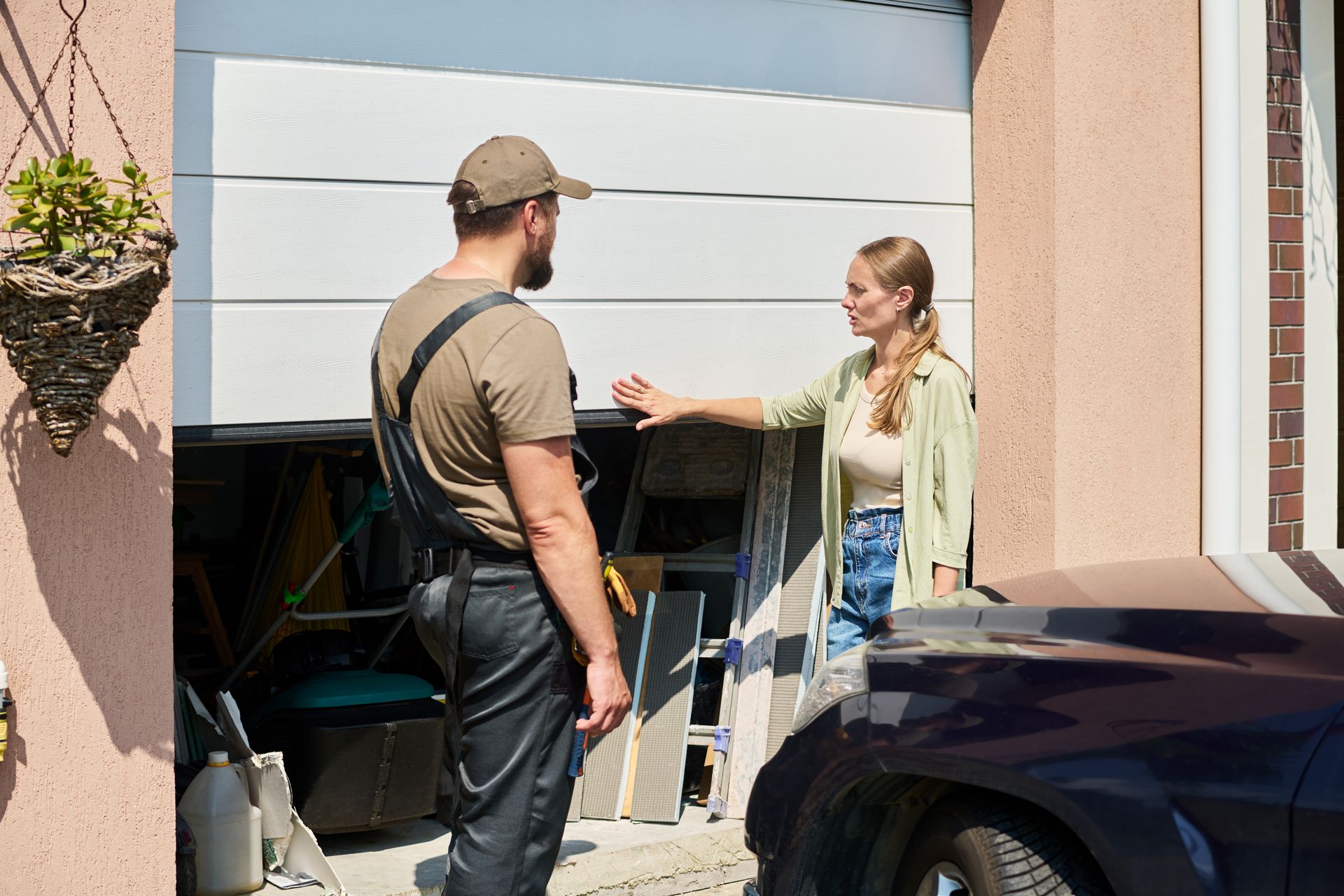
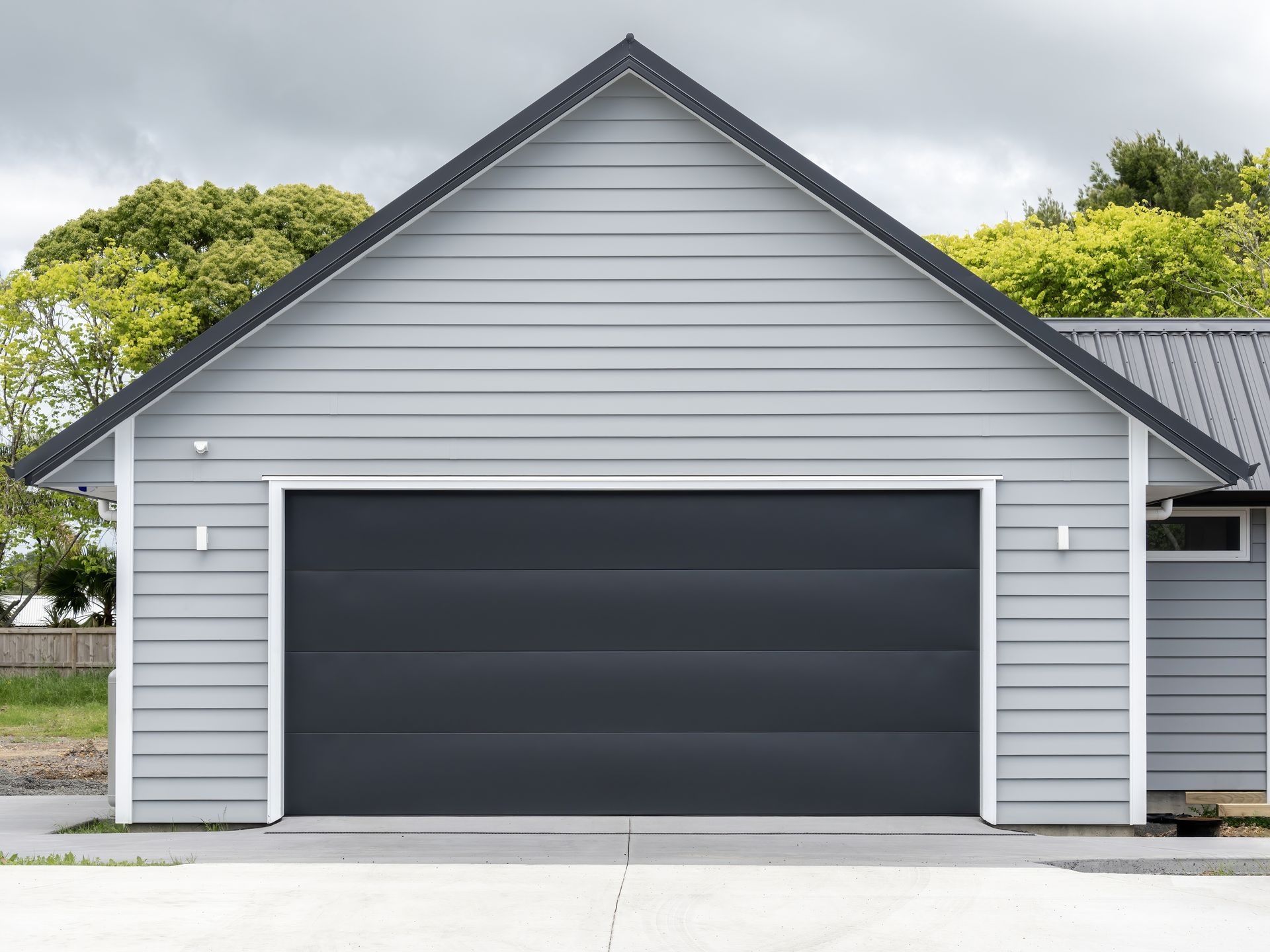
How to Choose the Right Garage Door Style and Material for Your Residential Garage Door Installation